Why we are starting separate food waste collections
It’s not just in Lincolnshire, from March 2026, all councils in England must collect food waste separately every week as part of the Government’s plan for net zero by 2050.
In Lincolnshire, food waste currently goes in the general waste stream and is used to create energy, but this also produces greenhouse gases. Around a quarter of what we throw away is food.
By cutting down on edible food waste you can save money. Any food waste you can’t avoid will be collected separately and recycled at an anaerobic digestion plant, where it’s turned into renewable energy and fertiliser.
When the service is starting
Household food waste collections will be introduced in Lincolnshire from 2026. Dates for each area will be shared by your local council.
Getting your caddies
You will receive:
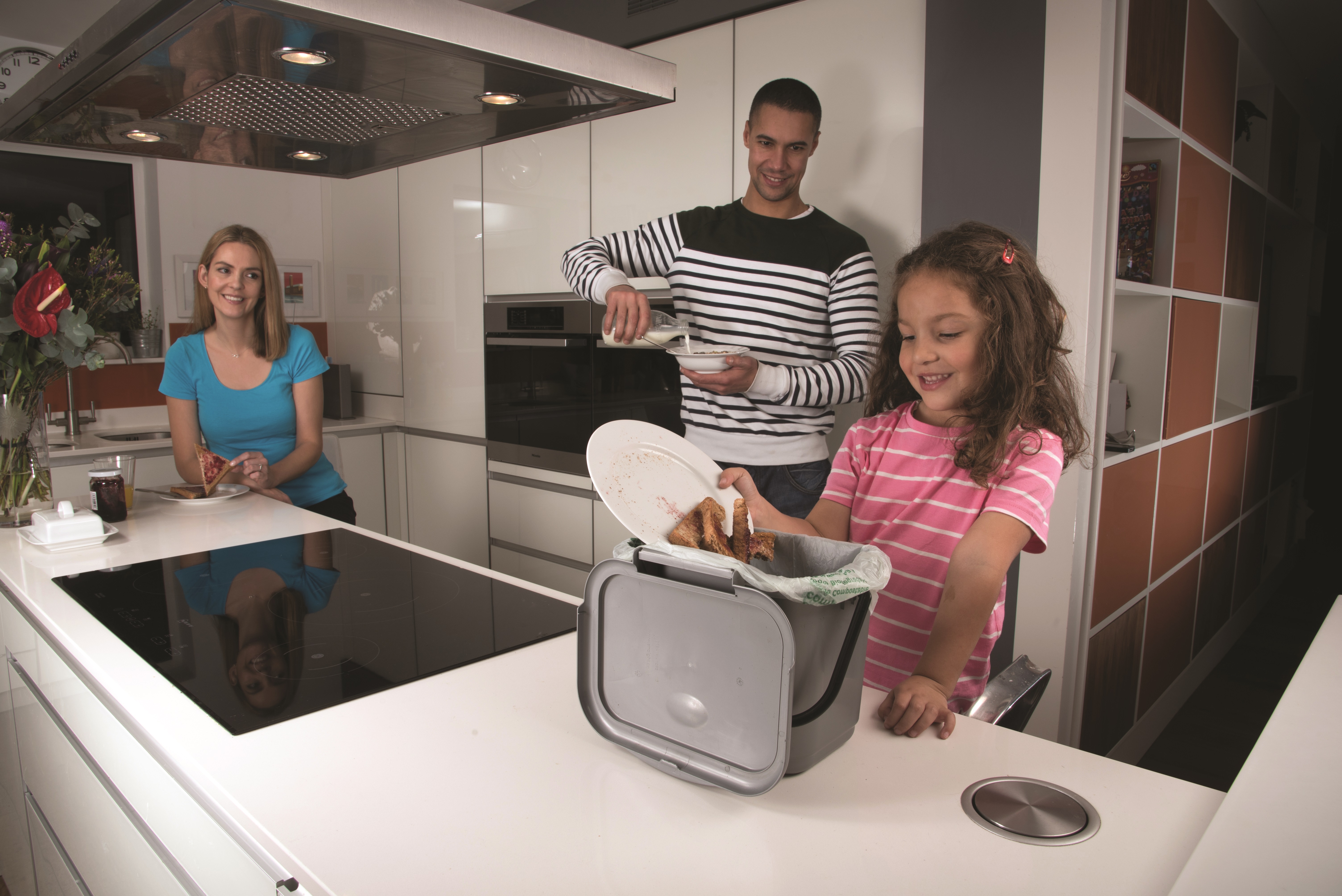
a small 5 litre grey indoor countertop caddy
a black 23 litre outdoor caddy with an orange lid to present at the kerbside each week
an initial supply of caddy liners (liners will make the process easier and keep your caddies clean)
information leaflet
Your outdoor caddy will be emptied every week
We will confirm your collection dates when your caddies are delivered to you.
What to put in your caddy
All food intended for human or household pet consumption, such as;
meat raw and cooked, including any bones
fish and shellfish – raw and cooked, including bones and shells
fruit – raw and cooked
salad and vegetables - both raw and cooked, including peelings
dairy products such as yoghurt and cheese
eggs and eggshells
bread, cakes and pastries
rice, pasta and beans
any meal leftovers
tea bags and coffee grounds
tinned and dry pet food
small amounts of gravy, sauces or custard left on food
Fats and oils in your food waste caddy
Yes — but only in certain forms. Liquids like milk, drinks or cooking water cannot go in your caddy. Small amounts of used cooking oil are fine if soaked up by other food, such as bread, and cooled, solid fats from roasting or frying can also go in. Please don’t pour liquids straight into the caddy.
Tea bags
Yes, any tea bag can go in the food waste caddy. All packaging and non-organic material, including plastic in tea bags, is removed by sifting equipment before the digestion process and sent for energy recovery.
What happens to your food waste
Your food waste is collected by council crews and taken to a local plant. There, liners are split and removed before the food is recycled. The food waste is turned into biogas, which generates energy, and fertiliser to support farming — helping cut our reliance on fossil fuels.
Keeping smells to a minimum
It won’t smell any more than it does now! You just need to empty your indoor caddy regularly as you would with your kitchen bin now. If anything, odours will be reduced as your outdoor caddy is collected weekly, rather than in most cases where your general waste bin currently only gets collected fortnightly.
The benefit to me is
Separating your food waste helps you notice how much is being thrown away, so you can cut back and save money. Using a kitchen caddy keeps food scraps out of your sink and general waste, helping avoid mess and blockages. Food waste is collected more often than general waste, so there will be fewer smells and flies. Recycling food waste turns it into green energy and fertiliser to support local farms.
I currently have an assisted collection from my property
If you already have an assisted collection for your other bins, this will be the same for your outdoor food caddy.
Paying for the service and affecting council tax
There is no charge or subscription, and the introduction of food waste collections will not affect how much you pay for Council Tax.
Requesting a second caddy
Only one of each caddy type per household will be provided free of charge.
Keeping food waste caddies clean
You’ll get a starter pack of liners with your caddy to help keep it clean. You can also use old bread bags, newspaper or kitchen roll for extra protection. Empty your indoor caddy into the outdoor one regularly, and wash both with hot soapy water, white vinegar or disinfectant. The small caddy can also go in the dishwasher (up to 60°C).
Liners – how many you get, what they are, and what to do when they run out
You’ll receive an initial roll of 52 liners with your indoor caddy to help you get started. These are just for convenience — you don’t need to make them last a whole year. Once they run out, you can buy more from most supermarkets or food stores.
You don’t have to use the supplied liners. Old bread bags, plastic shopping bags, newspaper or kitchen roll all work just as well. The anaerobic digestion facility removes all liners and packaging at the start of the process, so you can use whatever works best for you.
We are not providing compostable liners. The anaerobic digestion facility removes all liners all at the front end of the process whatever they are made of as any packaging does not breakdown at the same rate as the food itself.
Food waste liners provided by the Council are a 5L natural polythene liner. If residents wish to use their own liners, there is no requirement for the liners to be biodegradable, we simply ask residents to avoid black liners so our staff can complete a visual check to ensure there are no non-food items in the liner.
Why caddies are lined but packaging must be removed
Please take packaging off your food waste where you can and dispose it in the right bin at home. The only exception is caddy liners, which help keep your caddy clean — these are removed at the start of the recycling process.
On the odd occasion that you can’t remove the packaging, still put the food in your caddy. It will be taken out at the anaerobic digestion plant but removing it at home makes the process quicker and more efficient.
Putting the wrong items in the food caddy
If your food caddy contains the wrong things, crews will not be able to collect it. If this is the case, they will leave a hanger on your caddy to explain the problem and what you need to do.
Why can’t we put our food waste in with our garden waste?
In Lincolnshire, garden waste and food waste are treated differently once they’re collected. Our garden waste is composted outdoors using a process designed for grass cuttings, leaves and plants, which is not suitable for food waste. Instead, our food waste will be managed in a sealed treatment process, so it’s collected separately in food waste caddies and taken to an anaerobic digestion plant, where it’s turned into energy and fertiliser. This means food waste gets the right treatment and delivers better environmental and economical benefits for Lincolnshire.
Making space for a food caddy in your kitchen
The indoor food caddy is small five litres and designed to sit in your kitchen. If you don’t want to use it or don’t have space, you can use your own container or put food waste in a liner and then straight into the larger outdoor caddy and present that for weekly collection.
Options if you have limited space to store your caddy
We know space can be limited, especially in flats or shared homes. Councils are looking at flexible options like shared bins or smaller caddies where needed.
Placing extra waste beside your caddy
All food waste must be contained in the outdoor caddy and not left at the side of it.
If your outdoor caddy goes missing
You can request a replacement from your local council.
Preventing animals from getting into your caddy
When you put your kerbside caddy out for collection ensure the lid is closed and the handle is positioned in the forward position to lock the lid.
Taking part in the service
You’ll get everything you need to take part. It may take a little getting used to, but recycling food waste is important — instead of being incinerated, it can be turned into something useful. By recycling properly, we can reduce our impact on the environment and turn more of Lincolnshire’s food waste into green energy and fertiliser for local farms.
If you don’t produce any food waste
Remember, there is no amount too small. For example, banana skins, tea bags and plate scrapings can all be put in your food waste caddy.
Using a home composter instead of the food waste service
That’s great — home composting is a brilliant way to recycle nutrients and make soil improver for your garden. For any food waste you can’t compost, like cooked food, you can use the kerbside food waste collection.
General waste collections and food waste inside them
Your local council will still empty your general waste but we encourage you to separate your food waste wherever possible as everything thrown away has an impact on the environment.
Returning an unwanted caddy
Your local council will be delivering caddies to all properties in line with the requirements of the Environment Act 2021 and will not be collecting them back in.
Why use the food waste system instead of the refuse bin or sacks
Using your food waste caddies means less rubbish goes to incineration, which is better for the environment and can save money. The average family throws away £700 of food a year, but once people see what’s being wasted, shopping habits often change and bills go down.
Separately collected food waste is recycled into green energy and fertiliser — turning leftovers into something useful. While food could still go in your general waste bin, recycling it is the greener choice and helps us all do our bit.
Taking food waste to a recycling centre (tip)
You can still take food waste to your local recycling centre alongside other non-recyclable waste, but we encourage you to use the new collection service where it’s available, as this is designed to recycle food into energy and fertiliser. There will not be separate food waste container at the HWRCs.
Christmas collections and changes to collection days
As with all other waste collections, food waste collections may change slightly over Christmas because of bank holidays. Your council will let you know any new collection days in advance.
As more food waste is created at this time of year, please use your caddy to help reduce general waste and make sure more leftovers are recycled.
The economic side of food waste recycling
Food waste will be treated by a private anaerobic digestion company chosen through a competitive process. The contractor covers costs through selling the energy produced as electricity or biomethane. The fertiliser by-product usually has a small cost. Overall, this system is financially sustainable and provides savings compared to current Energy from Waste treatment.
The anaerobic digestion process explained
The anaerobic digester is run by a private company and works a bit like a human stomach. Food waste is first cleaned, shredded and mixed into a liquid. It’s heated to remove any harmful bugs or seeds, then placed in a sealed tank without oxygen.
Over several weeks, natural bacteria break it down and create biogas. This gas is used to generate electricity or upgraded to biomethane for the national grid. What’s left is a nutrient-rich fertiliser called digestate, which is stored and later spread on farmland to replace artificial fertilisers.